Discover the Enchanting Castle in the Old Town of Himara
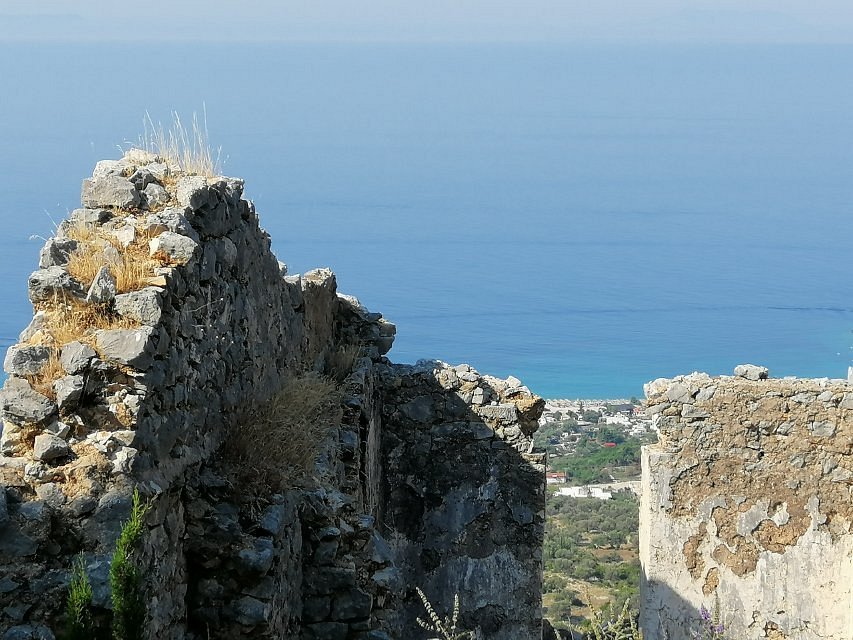
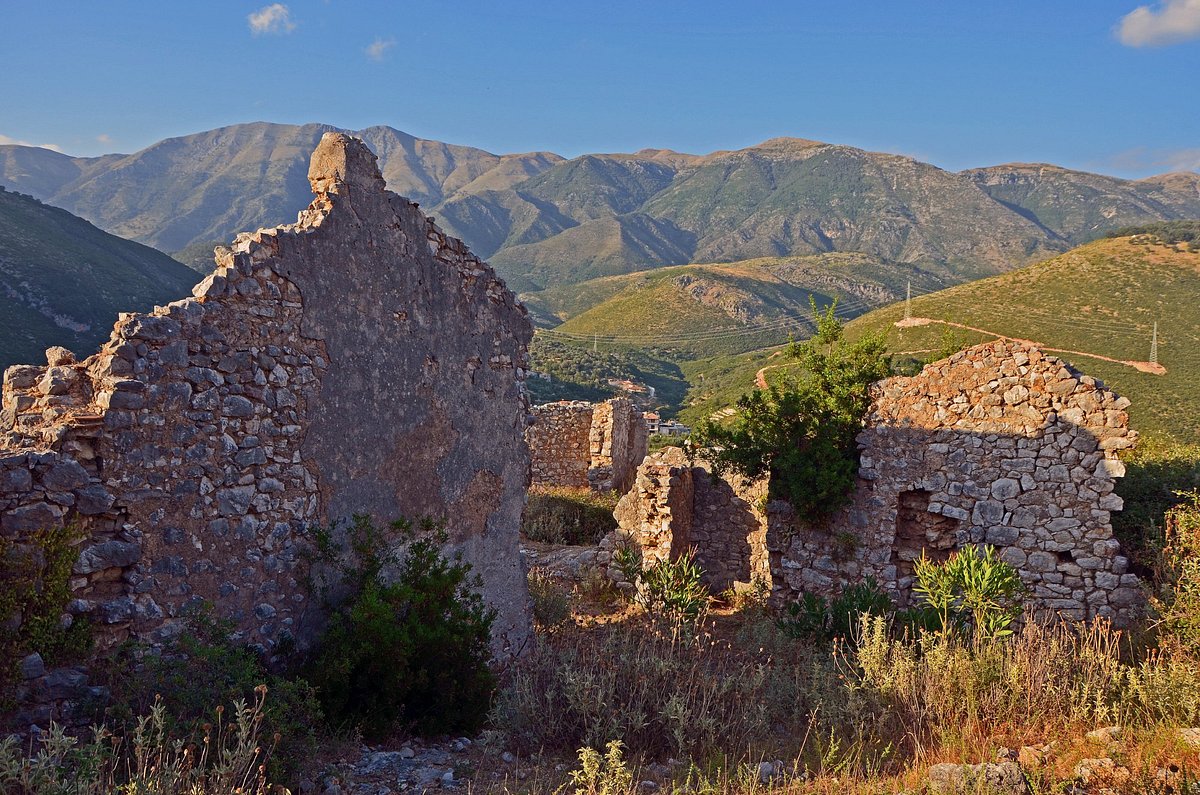
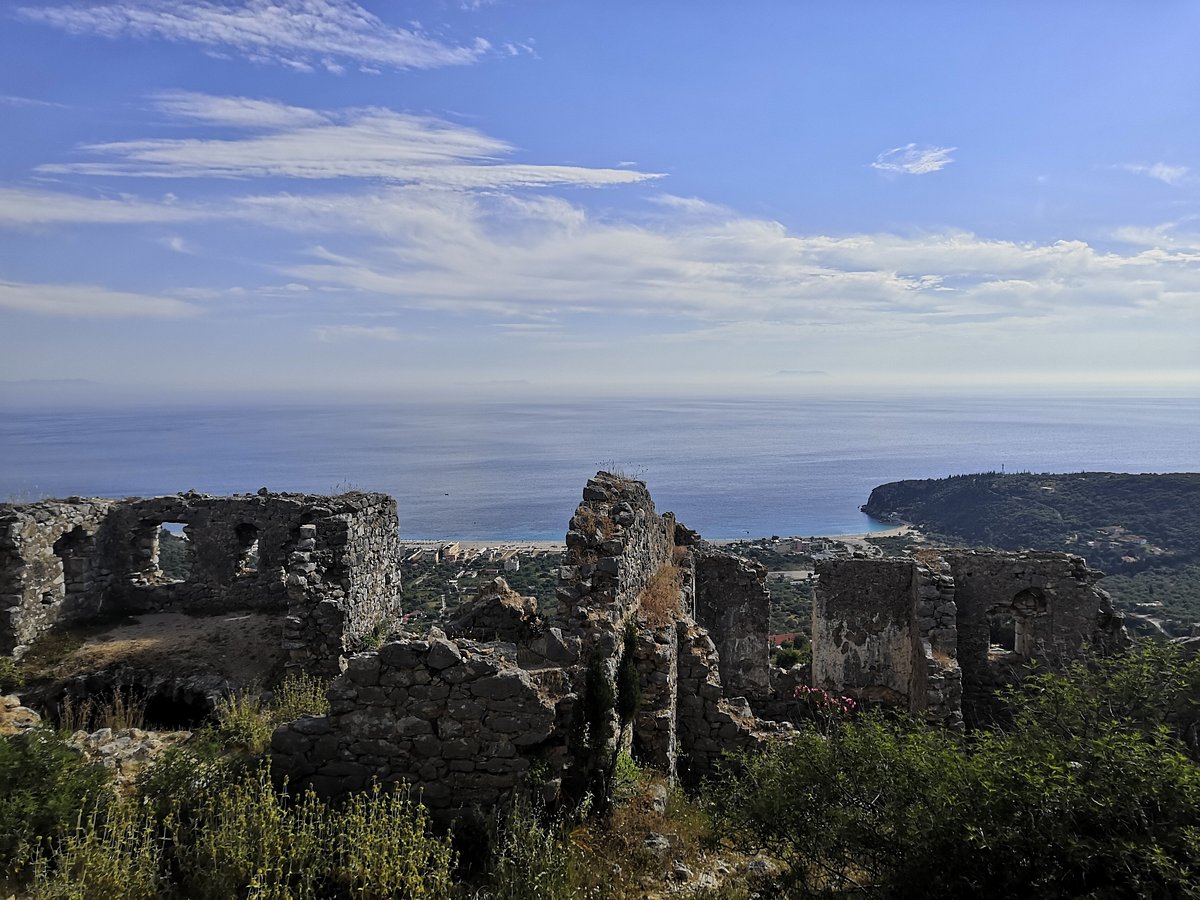
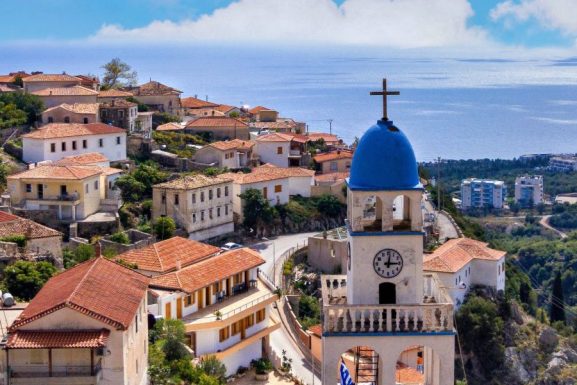
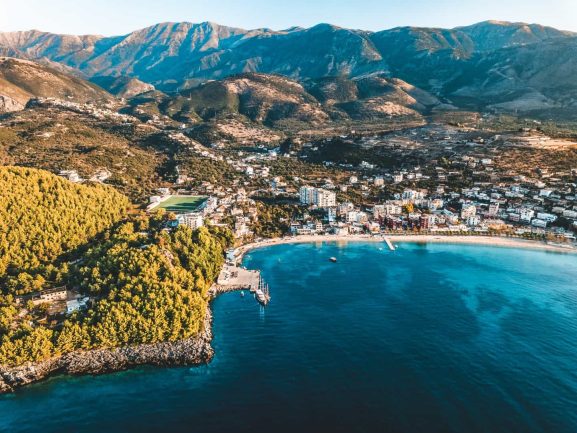
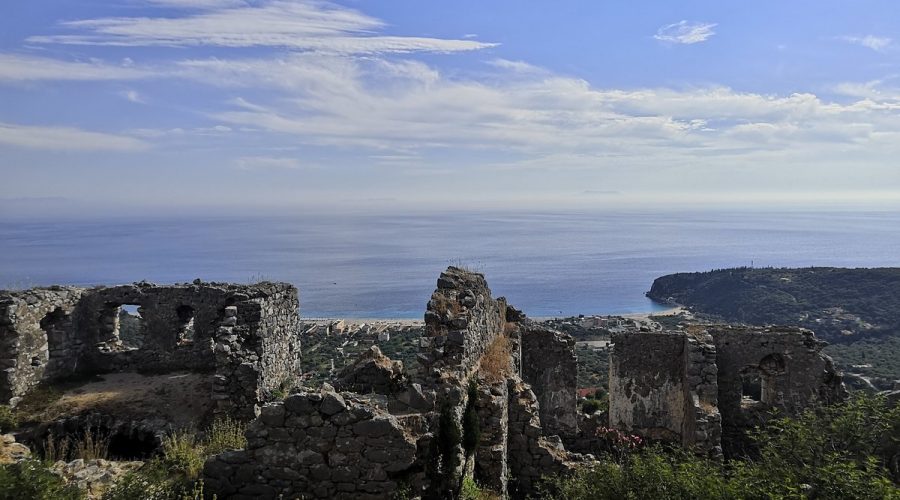
Explore the hidden gem of Himara, a picturesque village renowned for its stunning beaches and captivating medieval fortress. Located on a hill, the old town of Himara offers a mesmerizing view of the Ionian Sea to the west and majestic mountain ranges to the east, creating an amphitheater-like setting. As one of the top summer destinations in the country, Himara is not only a beach haven but also a repository of Albanian cultural heritage. The ancient ruins within the medieval fortress bear witness to over 3500 years of continuous habitation by the Illyrian-Albanian community.
Breathtaking Landscape
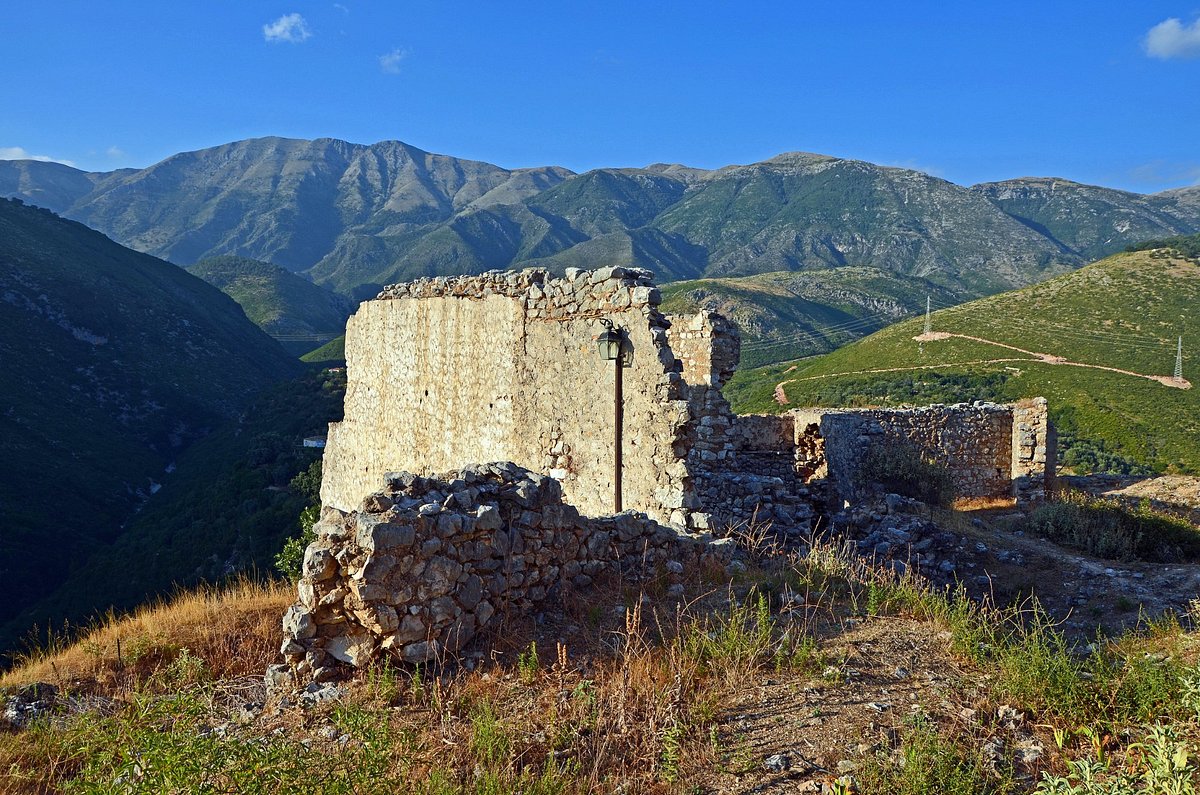
Perched on a hill about 1 km from the Ionian shoreline, the old town of Himara, also known as Himara Castle, stands proudly on the Barbaka cliff, boasting its reputation as one of the most stunning castles in the southern region. The cliff, rising 240 meters above the town, provides a captivating backdrop, while the Ceraunian Mountains adorn the northern landscape. To the east, the oak forests of Pilur Village enhance the natural beauty, and in the south, the panoramic vista of Livadh Beach awaits.
Rich History and Architectural Marvels
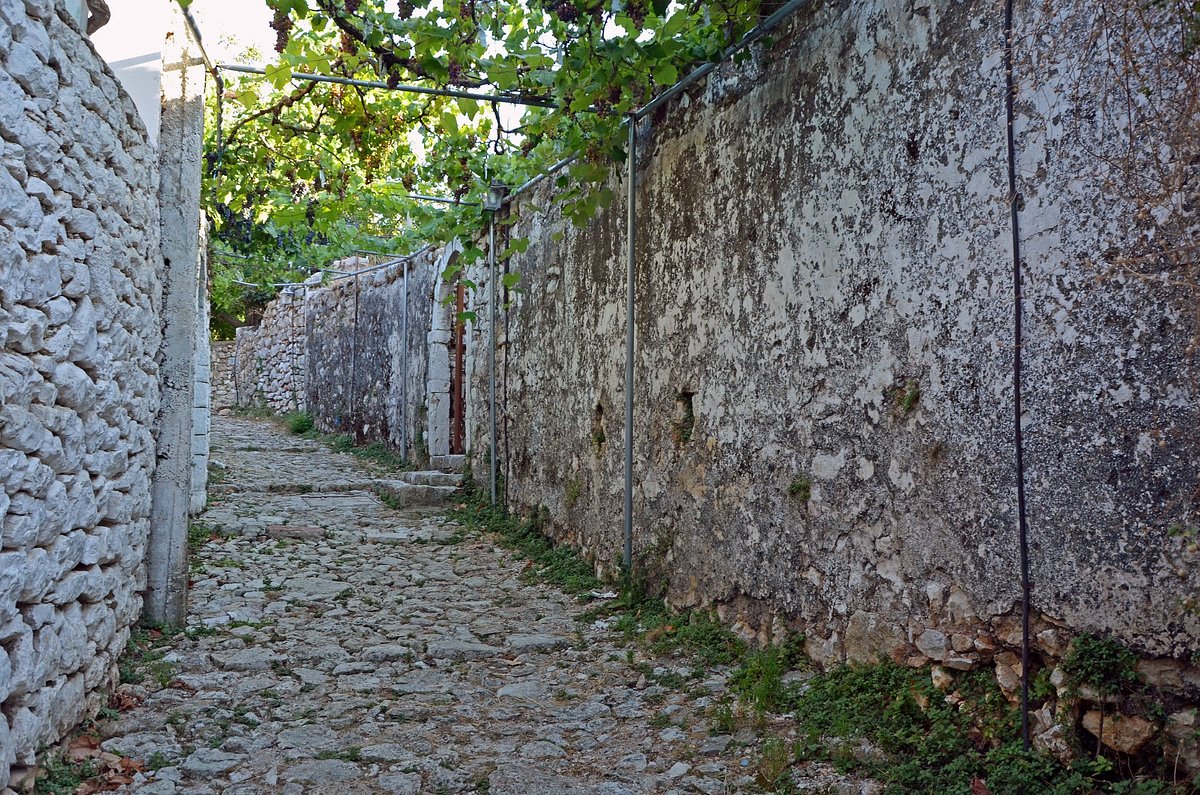
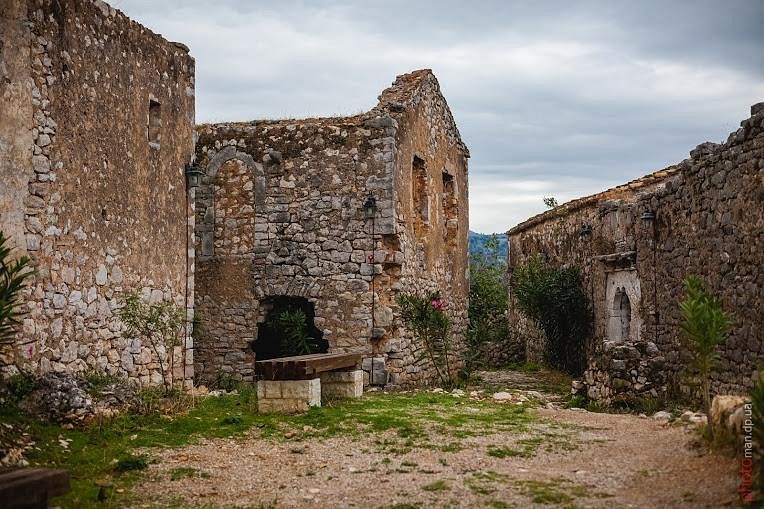
Himara, once known as Chimera in ancient times, has a historical legacy dating back to the 1st century, as documented by the Roman author Pliny. The fortified walls of Himara were initially constructed during the 8th century BCE and have since undergone numerous renovations. Notably, the most significant restoration took place in the 6th century CE, under the rule of Emperor Justinian of the Byzantine Empire. Inside the fortress, historic residences and Byzantine-era churches still stand, bearing witness to the city’s past.
During the 8th century, Himara Castle became the center of the Bishopric of Himara, leading to the construction of multiple churches within and around its walls. Some of these churches remain intact to this day, including the renowned Episcopal Church (Kisha e Episkopisë), which features a captivating sculpture of the Albanian symbol, the two-headed eagle, adorning one of its gates. The two-headed eagle was the emblem of the Kastrioti and Myzakaj families, who owned the land during the latter part of the 14th century. Another architectural gem is the Church of Saints Sergius and Bacchus, a stunning attraction constructed in the 11th century.
Uncover the Historical Treasures of Himara
When you visit Himara, don’t miss the opportunity to delve into its rich history and architecture. Take a break from sunbathing on the pristine Ionian shores and embark on a journey to Himara Castle. Immerse yourself in the captivating tales and cultural heritage that this remarkable area has to offer.